Lessons We Took Home from Pittsburgh That Any City Can Learn From
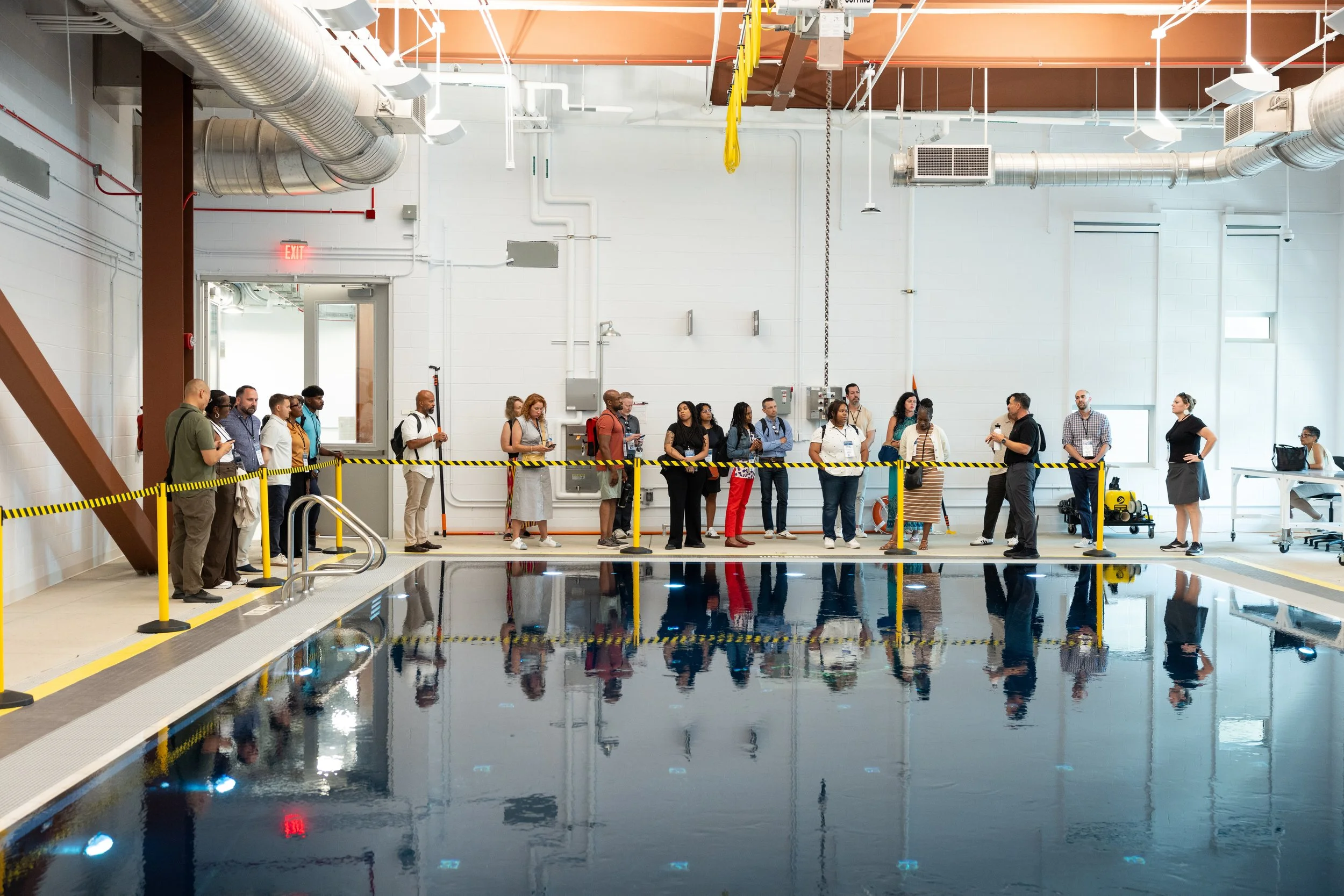
Photo courtesy of The Heinz Endowments.
Every City to City Learning Journey begins with an itinerary, but that's never the end goal.
The goal is to spark new ideas, build relationships across sectors, and return home seeing your own city through a different lens. The conversations that begin during the trip often continue long after everyone gets on the plane home—and that's where some of the most meaningful impact begins.
That was certainly true for City Institute's 2026 Detroit to Pittsburgh Learning Journey.
For three days, leaders from across Detroit—including philanthropy, business, higher education, nonprofits, economic development, and civic organizations—visited projects like Mill 19, Hazelwood Green, the New Granada Theater development, the Pop District spearheaded by the Andy Warhol Museum, and neighborhoods including the Hill District and East Liberty. Along the way, we learned from leaders at Carnegie Mellon University, the Pittsburgh Downtown Partnership, Heinz Endowments, the Mayor's Office, neighborhood organizations, entrepreneurs, and many others who are shaping Pittsburgh's future.
Some of what we saw challenged our thinking. Some of it reinforced lessons we've been learning for nearly 20 years. And some of the most valuable insights came not from any one presentation, but from the conversations that happened between them.
Here are a few lessons we'll be thinking about long after returning to Detroit.
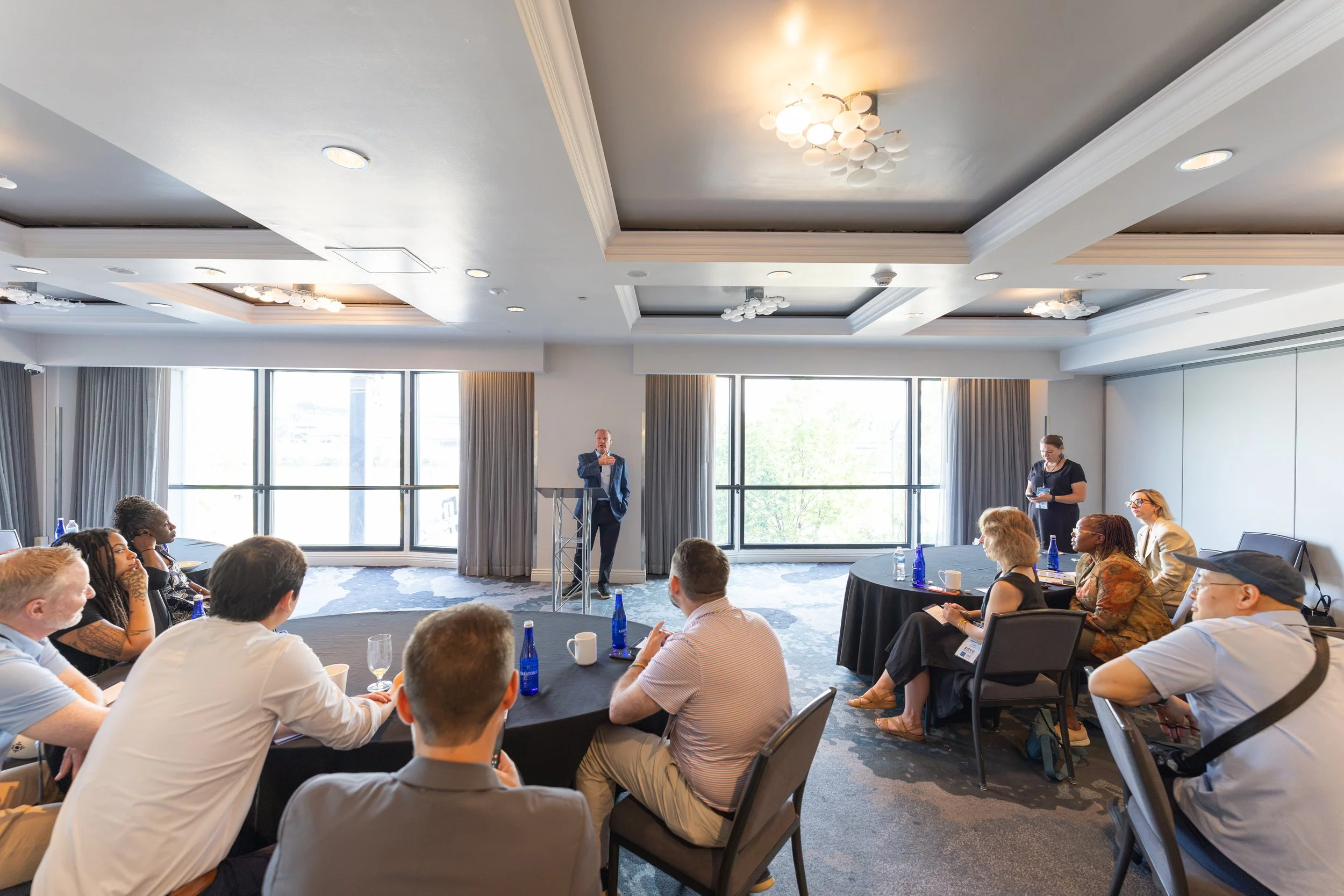
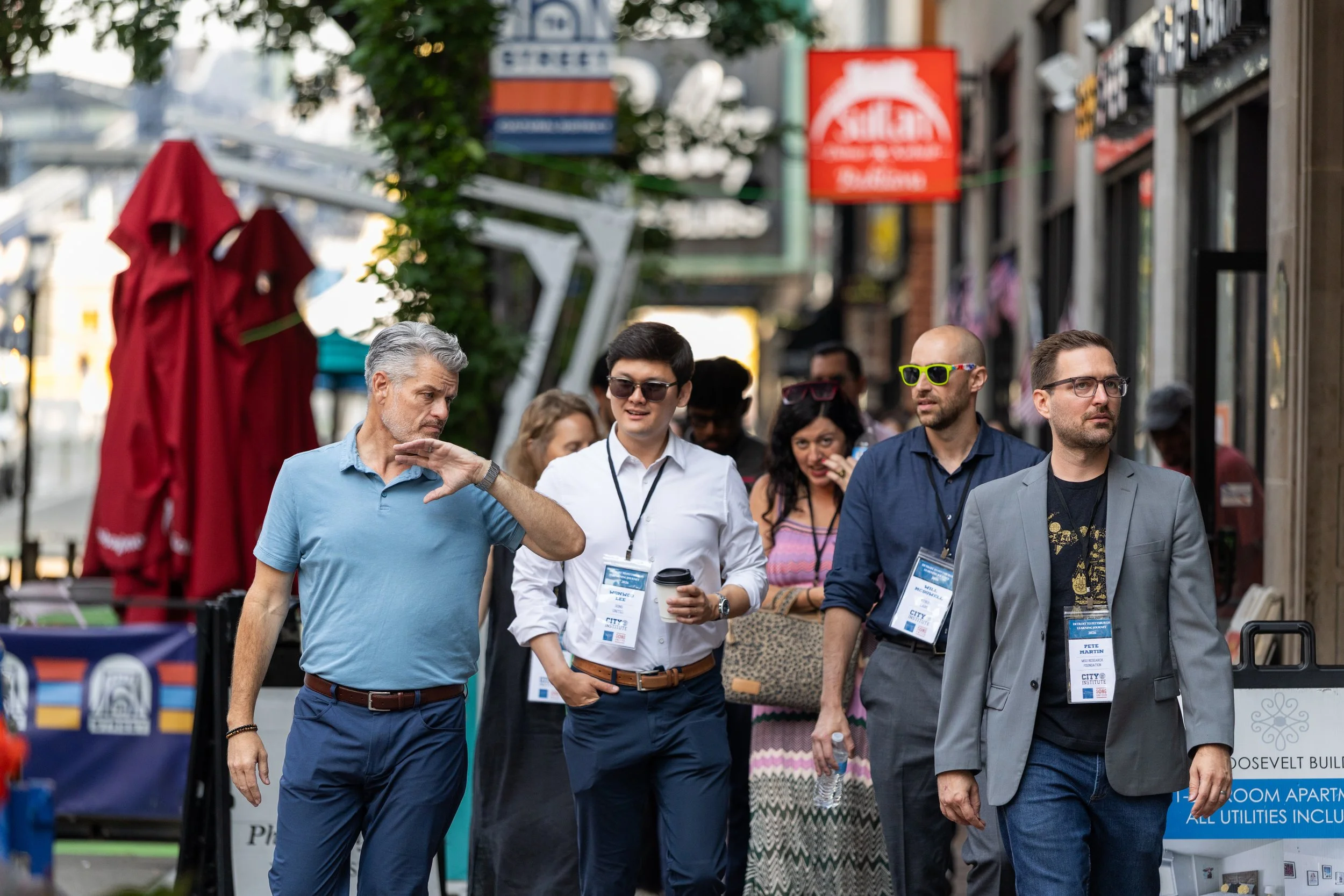
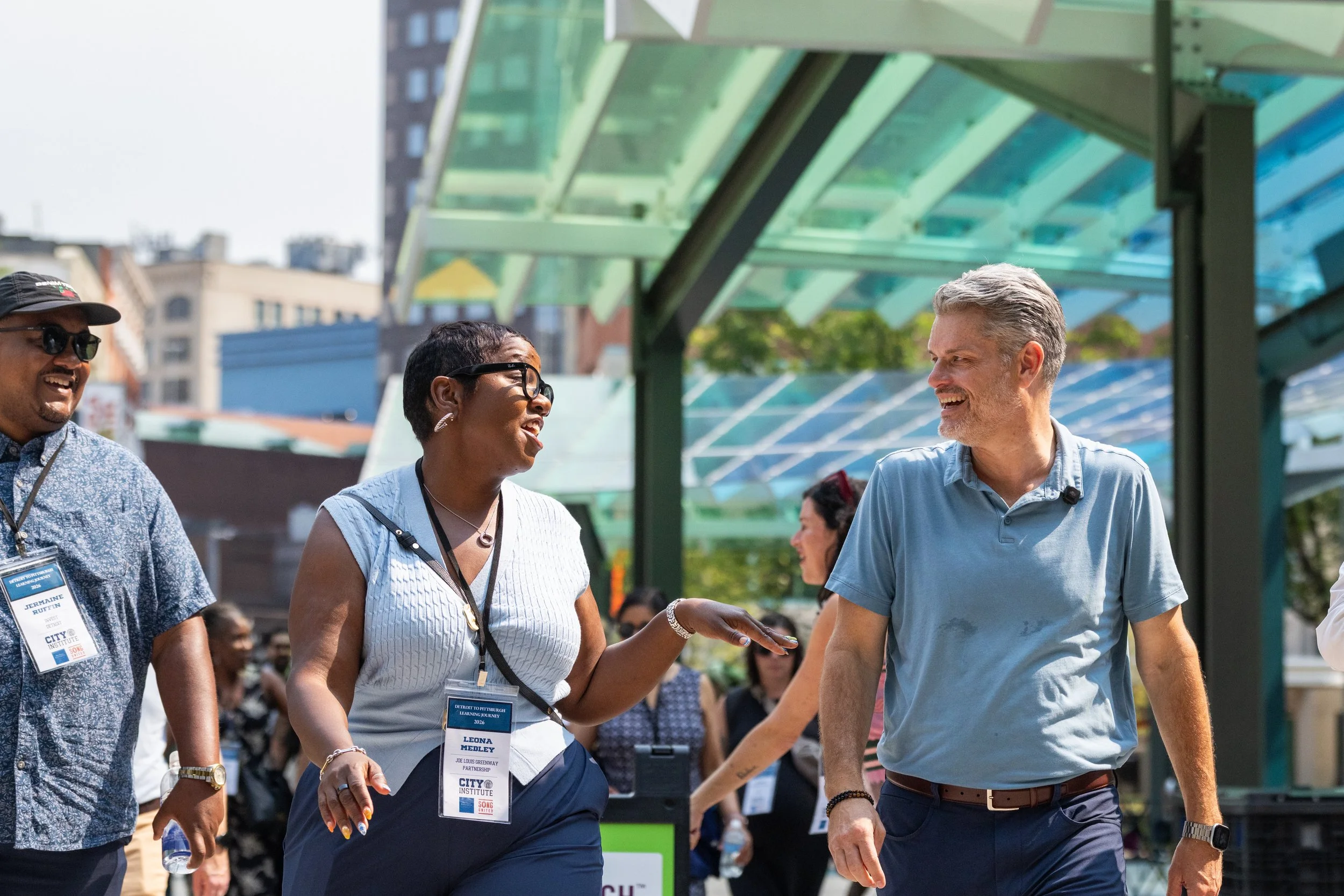
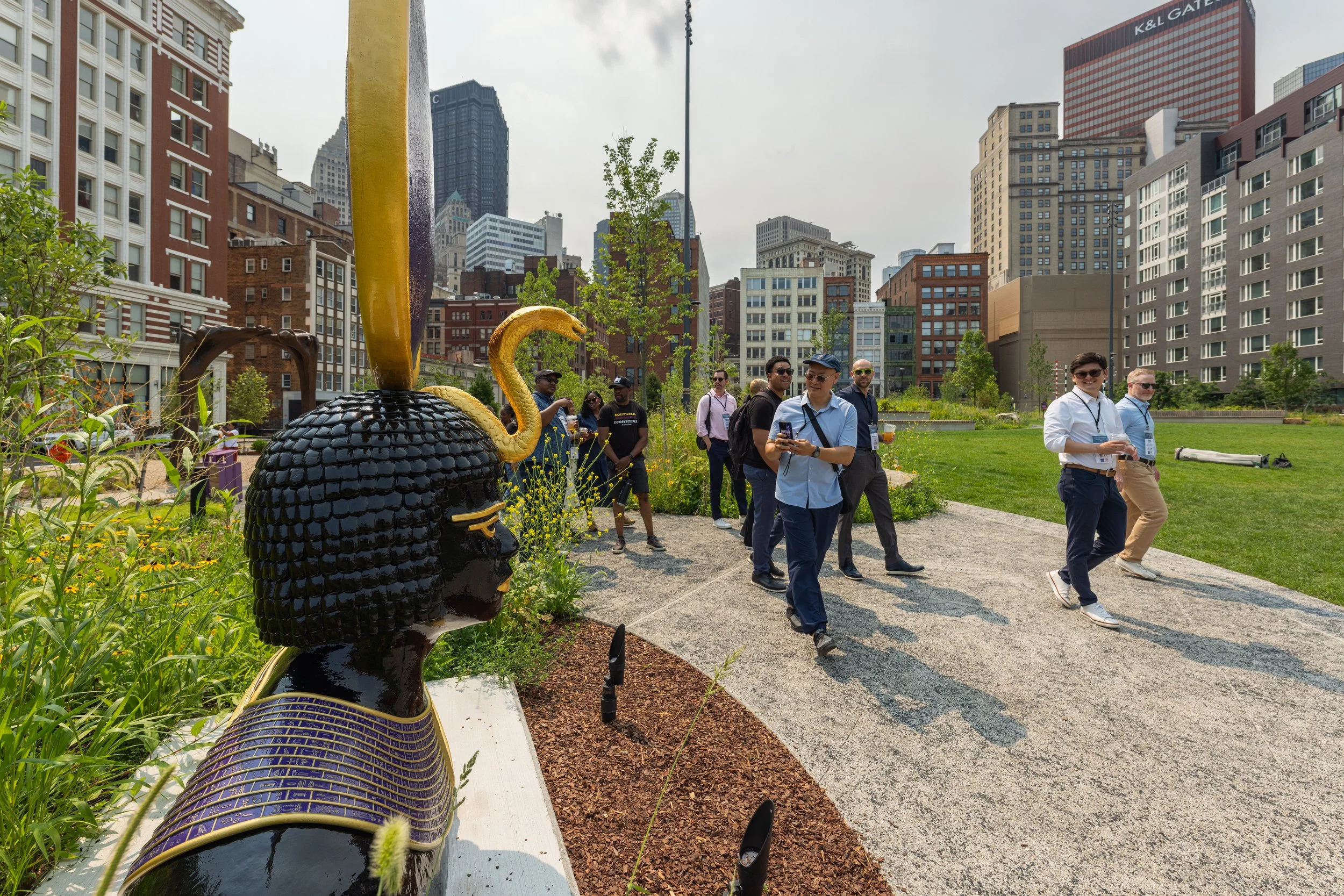
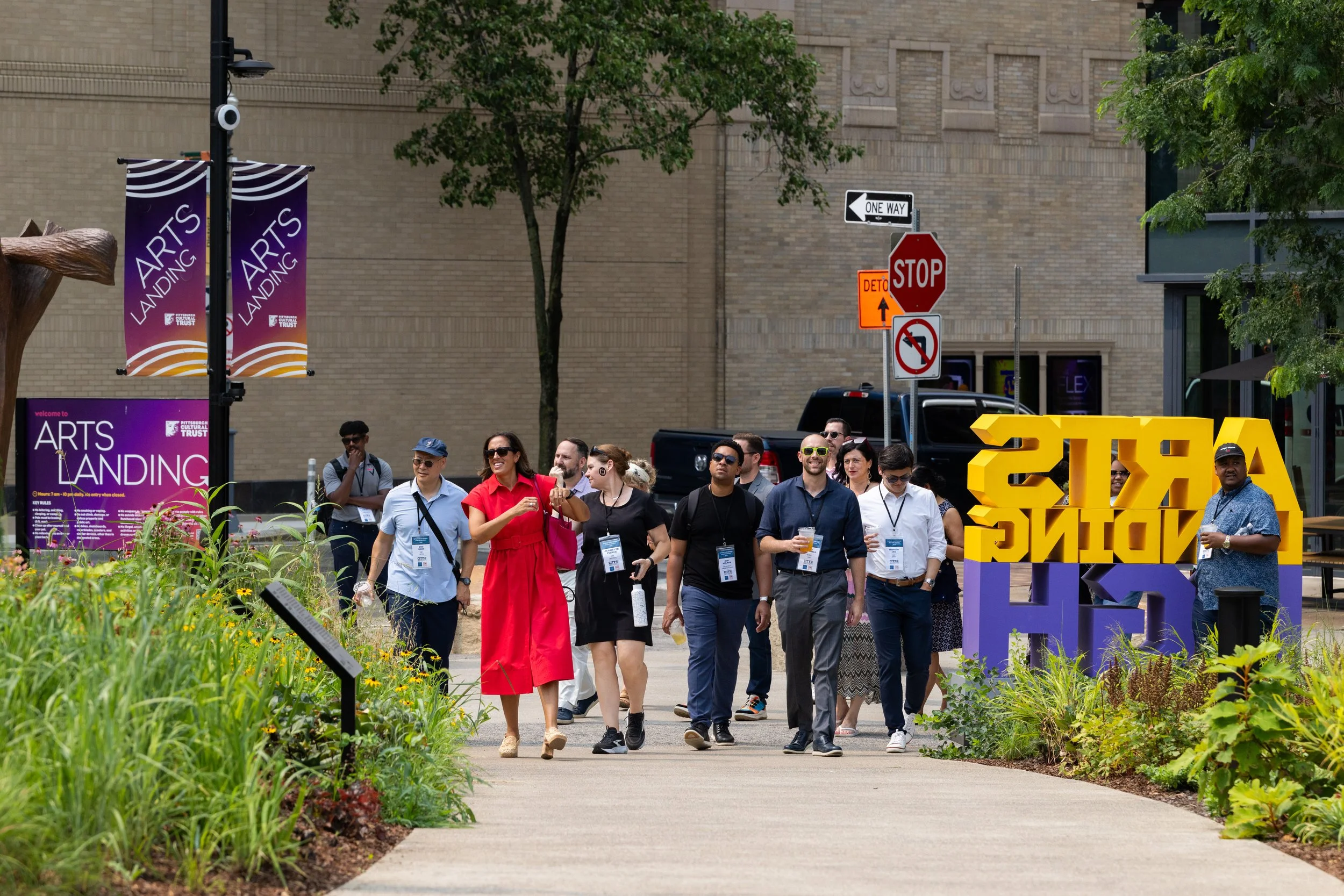
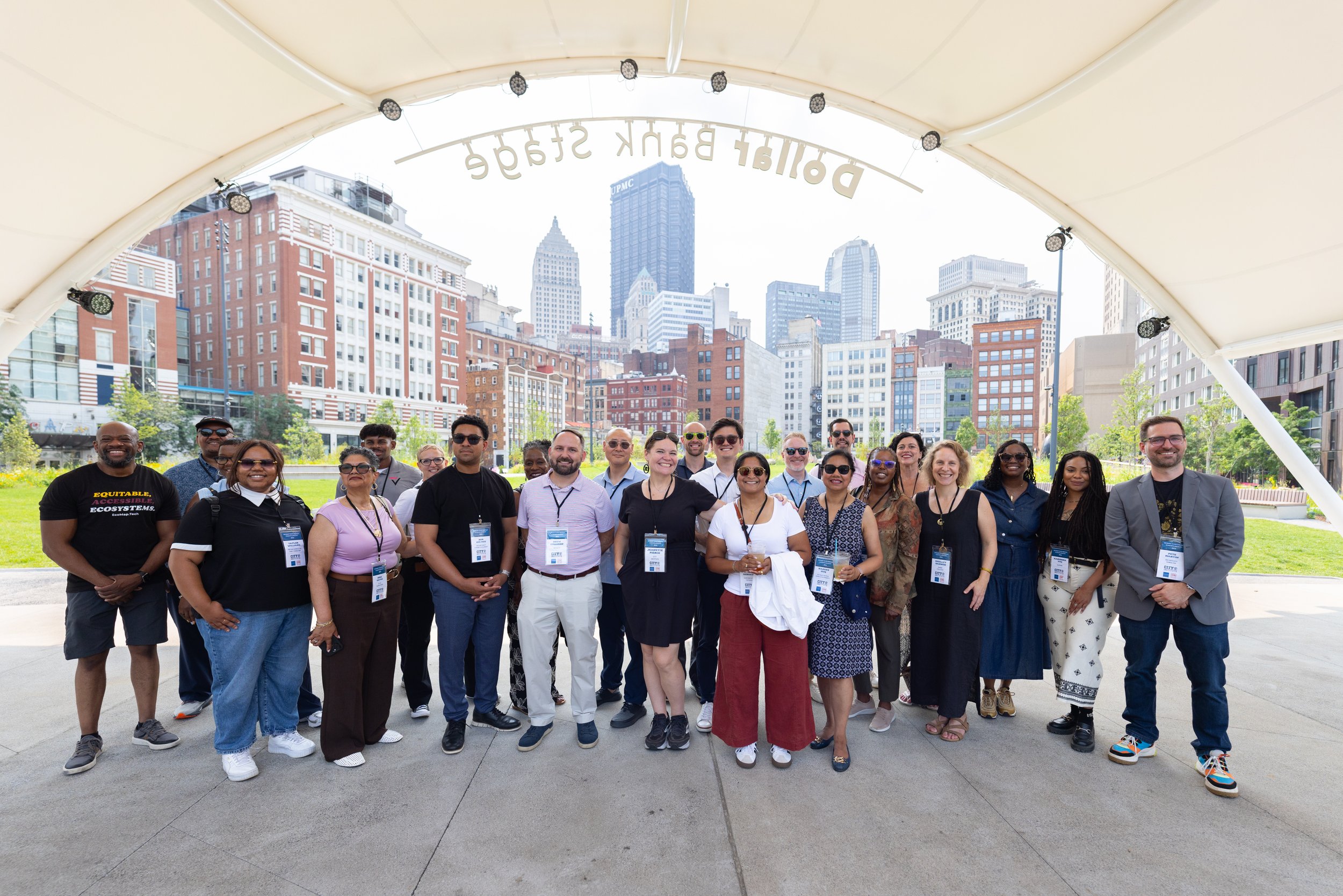
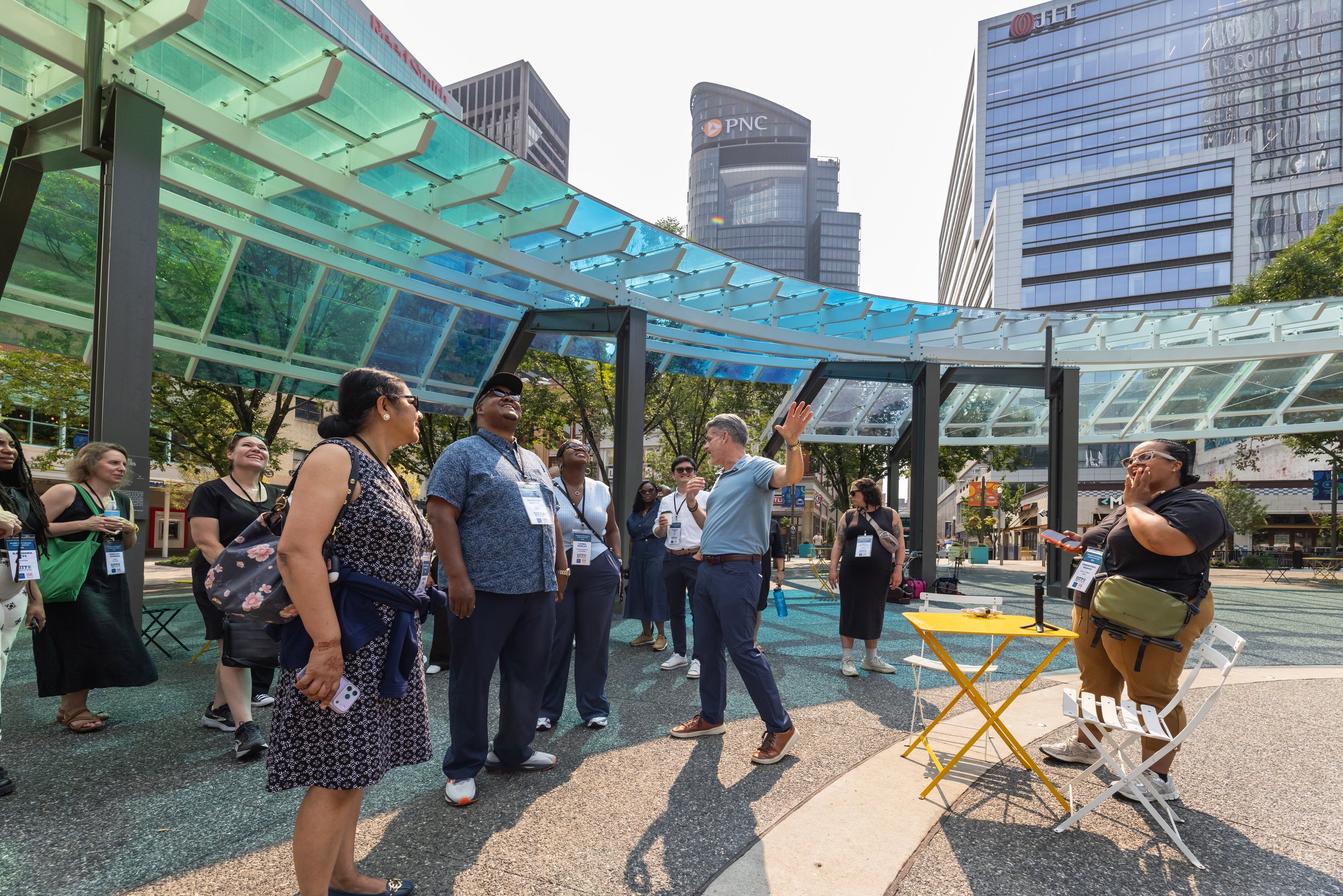
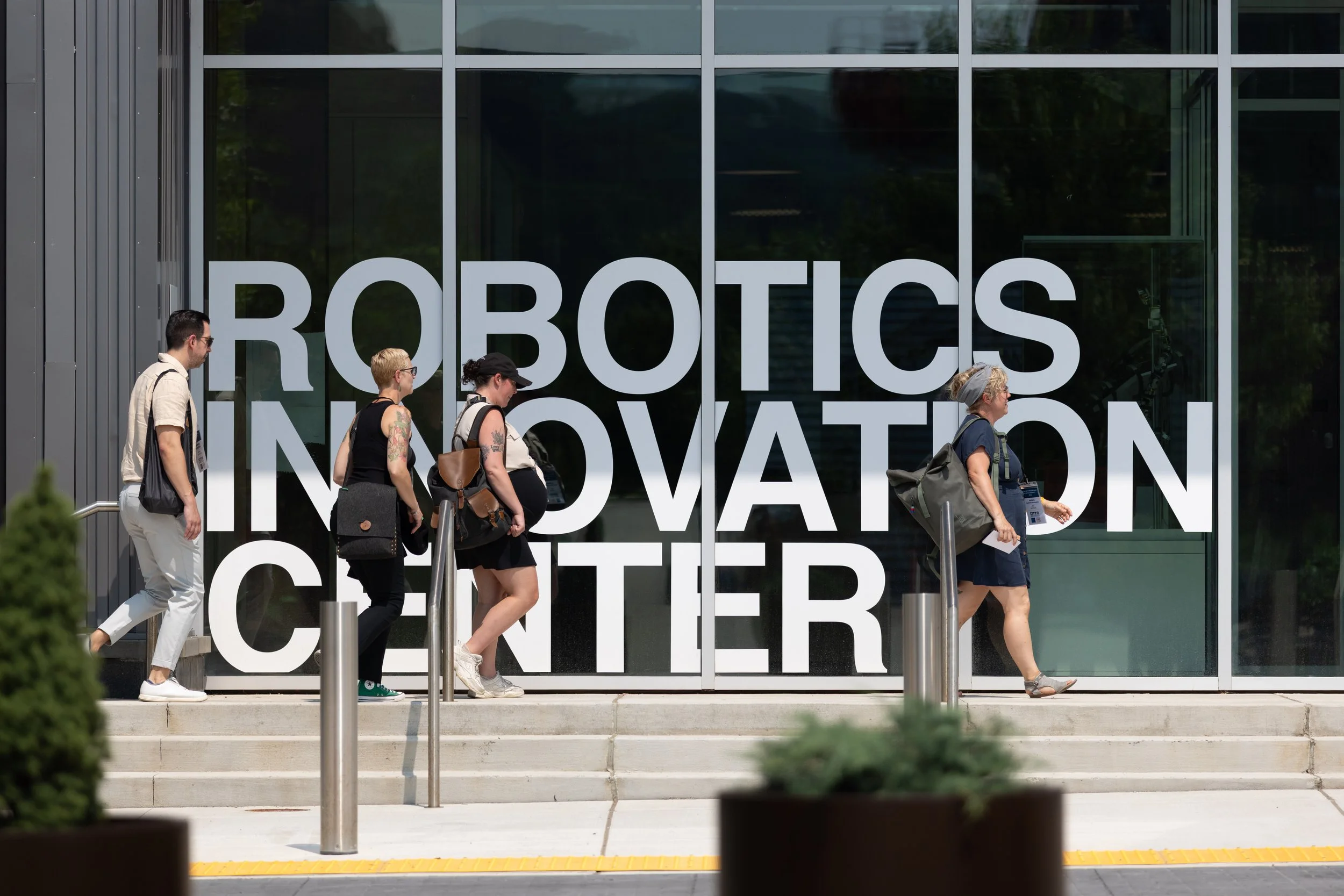
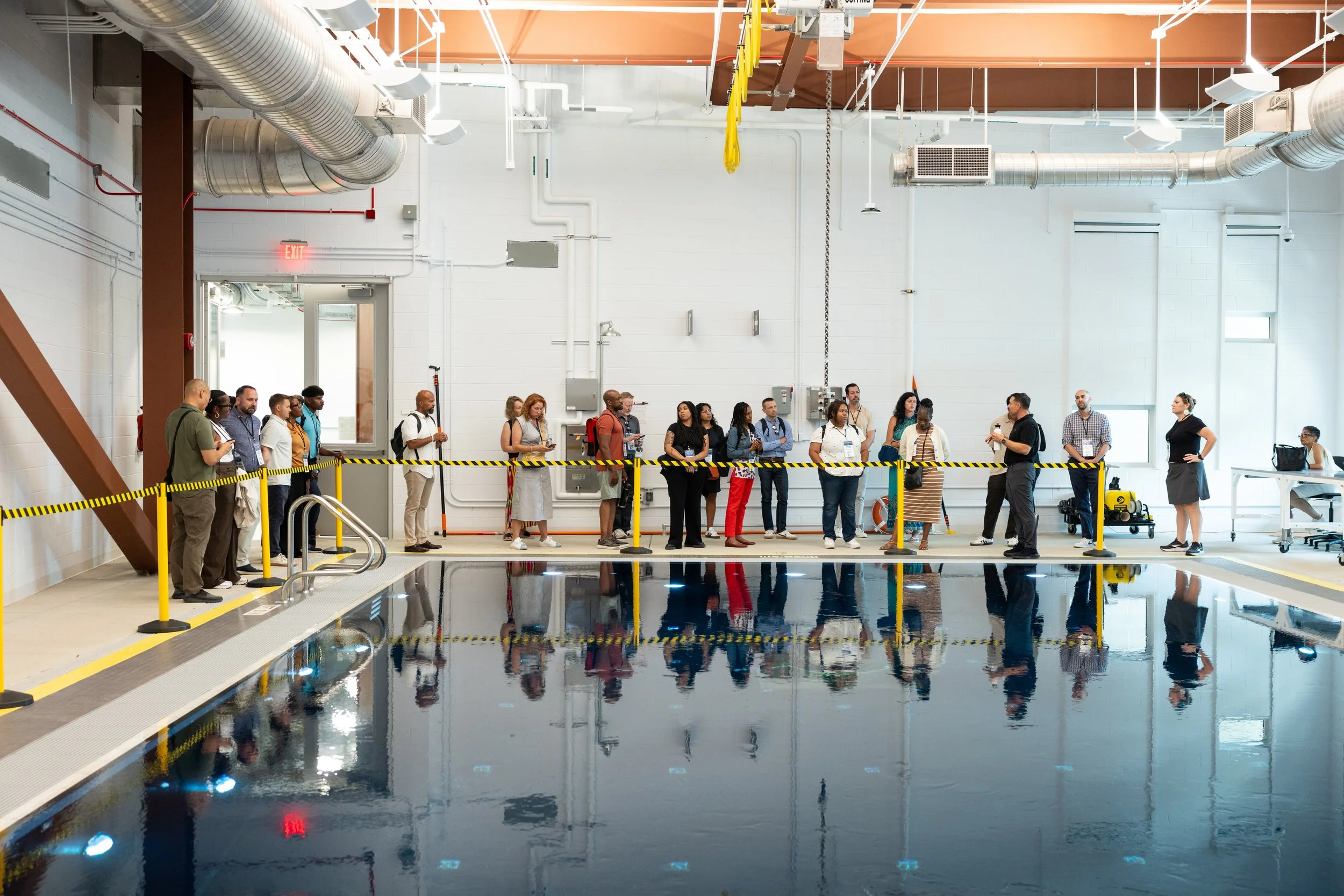
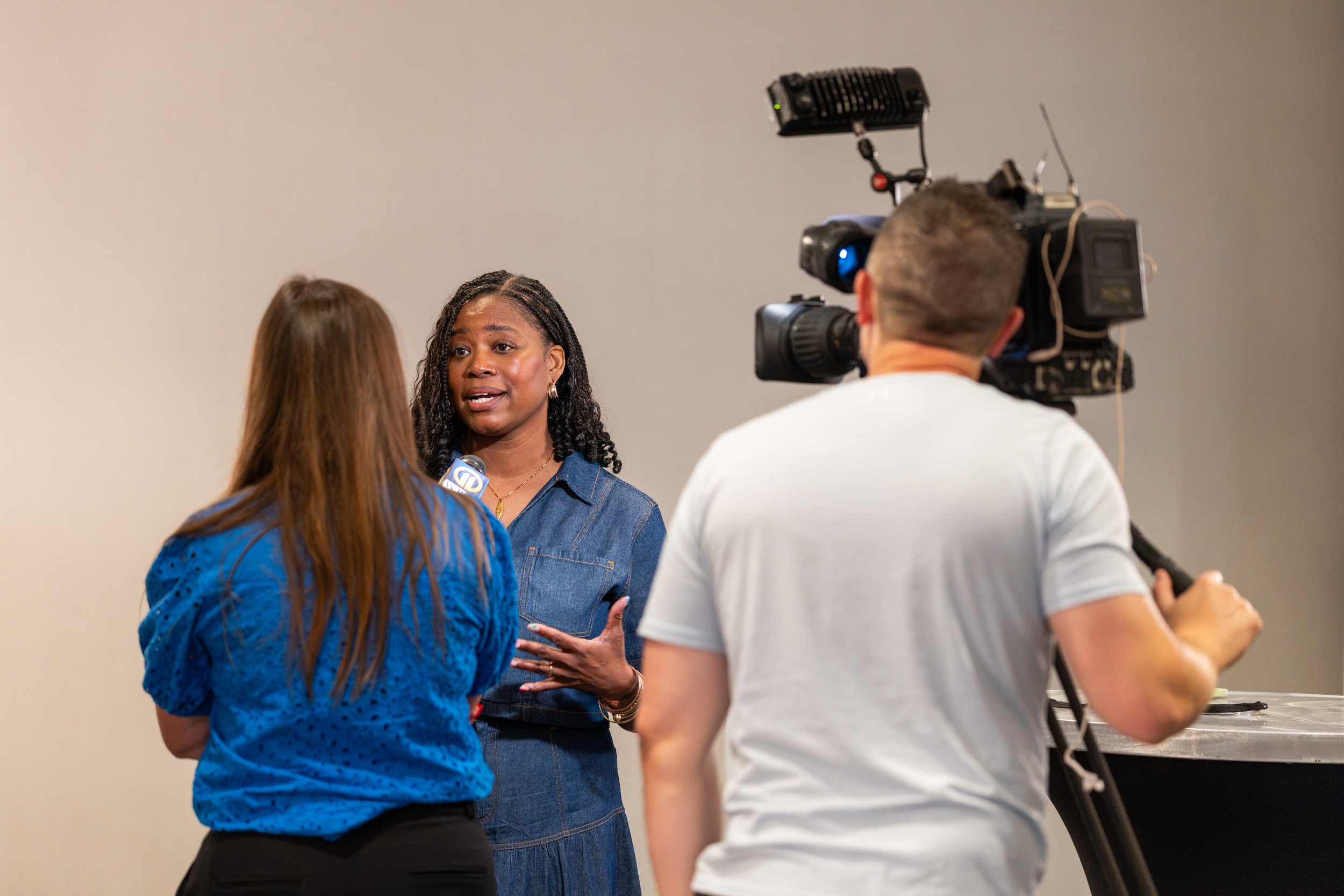
All photos courtesy of The Heinz Endowments.
Success Doesn’t Happen in Silos.
One thing became clear almost immediately: Pittsburgh's most ambitious projects didn’t happen because of just one organization.
Mill 19, and Hazelwood Green as whole, are more than just robotics hubs. It's the result of universities, technology companies, philanthropy, government, and industry working together to transform a former industrial site into a center for innovation.
The New Granada Theater redevelopment is much more than a historic preservation project. It's bringing together neighborhood leadership with the Hill District CDC, arts and culture, workforce development, economic opportunity, and the University of Pittsburgh, which is embedding classrooms and programming directly within the community rather than operating separately from it.
Again and again, we saw what can happen when public, private, nonprofit, philanthropic, and academic partners work across traditional boundaries.
That lesson wasn't just reflected in the places we visited, but it was also reflected in who was on the bus. Our Detroit delegation intentionally brought together leaders from philanthropy, business, higher education, nonprofits, economic development, and community organizations because we believe better ideas emerge when different perspectives share the same space.
Many of Detroit's greatest challenges were shaped by decades of fragmentation and segregation. While collaboration alone won't solve every challenge, it must be part of the solution. Our week in Pittsburgh reinforced what's possible when institutions ask not, "How do we advance our own work?" but, "How do we advance our community together?"
It also left us with an important question: What more could be possible if Detroit's public, private, nonprofit, and academic institutions intentionally deepened their partnerships with one another and with the communities they serve?
Relationships are as important as strategy.
Every Learning Journey we organize includes presentations, site visits, and conversations with incredible leaders. Those moments spark ideas and inspiration but that’s not the only goal.
The real magic happens in between. On the bus ride to the next stop. Around the dinner table. Walking through a neighborhood together. Sitting next to someone from a completely different sector and realizing you're trying to solve many of the same challenges.
Those conversations don't always produce immediate answers. They build something even more valuable: relationships and trust.
At City Institute, we intentionally design our learning journeys to create space for those moments because we know collaboration begins with people. Some of the strongest partnerships we've seen over the past 20 years started not in a boardroom, but through a shared experience that helped people see one another's work in a new way.
Pittsburgh reminded us that the itinerary matters. But the connections between the stops and the shared experience often matter even more.
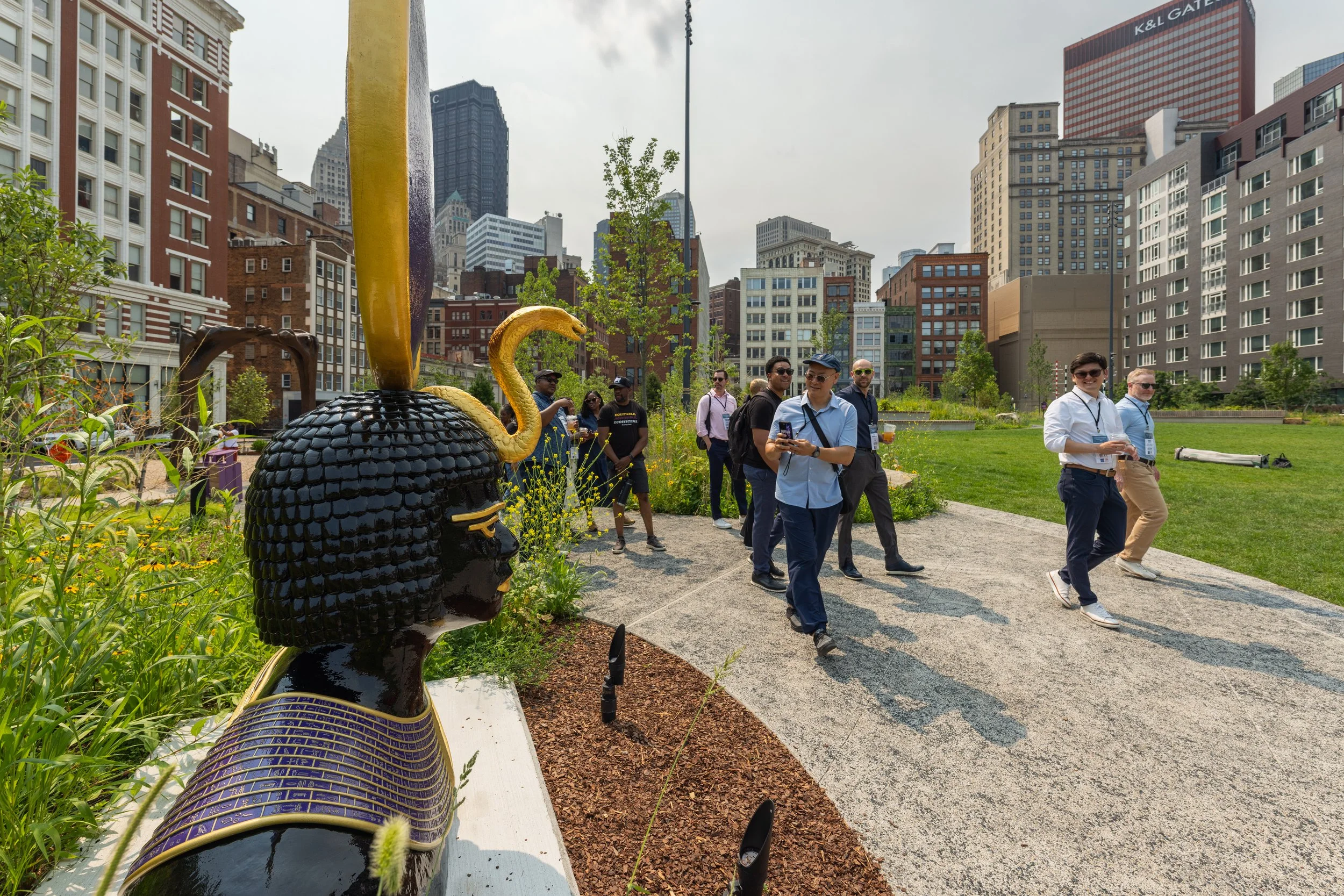
Photo courtesy of The Heinz Endowments.
Sometimes you need to leave your city to see it more clearly.
One of the unexpected benefits of every City to City Learning Journey is that it changes how participants think about home. Of course, you notice what another city does differently. But just as importantly, you begin to see your own community with fresh eyes by recognizing strengths you've overlooked, appreciating ideas you may have taken for granted, and discovering new opportunities to build on what's already working.
That's exactly what happened in Pittsburgh.
Last year, City Institute welcomed a delegation from Pittsburgh to Detroit for a leadership exchange. We introduced them to the people, partnerships, and projects shaping our city from public spaces and neighborhood revitalization to entrepreneurship and innovation.
This time, we had the opportunity to see how some of those ideas had taken on a life of their own.
At Riverlife, we visited a floating barge that immediately reminded our Detroit delegation of Bob's Barge on the Detroit Riverfront. Pittsburgh leaders shared how Detroit helped inspire the concept. But they didn't stop there. They expanded it with artist-designed shade structures made from recycled materials, additional seating and gathering spaces, food service, and amenities that encouraged people to linger and connect.
Later, at Arts Landing, we learned how Detroit's Campus Martius influenced not only elements of the public space itself, but also the partnership model between the City of Pittsburgh and the nonprofit Pittsburgh Cultural Trust responsible for programming and stewardship.
Those conversations shifted the way many of us thought about Detroit. Instead of asking, "Why don't we have that?" our group started asking, "What could we bring back?"
It was a powerful reminder that Detroit has as much to teach as it does to learn. The value of these exchanges isn't finding the "best" city to emulate. It's creating a continuous cycle of learning where communities generously share ideas, adapt them to fit their own context, and inspire one another to keep improving.
Detroit inspired Pittsburgh. Pittsburgh built on those ideas. Now Detroit returns home with fresh inspiration of its own.
That's what makes these exchanges so valuable. The best ideas don't stay in one city. They evolve because cities are willing to learn from one another.
No one sees the whole puzzle alone.
One thing became increasingly clear throughout the week: everyone experienced Pittsburgh differently. A university leader noticed something different than an arts leader. A foundation executive left with different ideas than someone working in neighborhood development. An entrepreneur saw opportunities that a public sector leader might have missed. None of those perspectives were more important than another. In fact, they became more valuable when they were shared.
Cities are complex. No single organization, sector, or leader can fully understand all of the forces shaping a community. Each of us sees one piece of the puzzle.
That's why City Institute intentionally brings together leaders from different sectors, industries, and communities and helps break down traditional silos. We believe better ideas emerge when people have the opportunity to step outside their day-to-day work, learn from one another, and begin connecting dots they may never have seen before.
After 20 years of leading learning journeys, our unique perspective comes from working with everyone regardless of sector or silo. In any given week, we might be partnering with neighborhood organizations, employers, universities, foundations, artists, entrepreneurs, and public agencies. That vantage point allows us to see connections and opportunities for understanding and collaboration that aren't always visible from within a single sector or industry.
“Stronger cities aren’t built when everyone sees the same piece of the puzzle. They’re built when we create opportunities to see the whole picture together.”
Our role isn't to have all the answers. It's to create the space for people with different pieces of the puzzle to learn from one another, build relationships, and begin seeing the bigger picture together.
Stronger cities aren't built when everyone sees the same piece of the puzzle. They're built when we create opportunities to see the whole picture together.
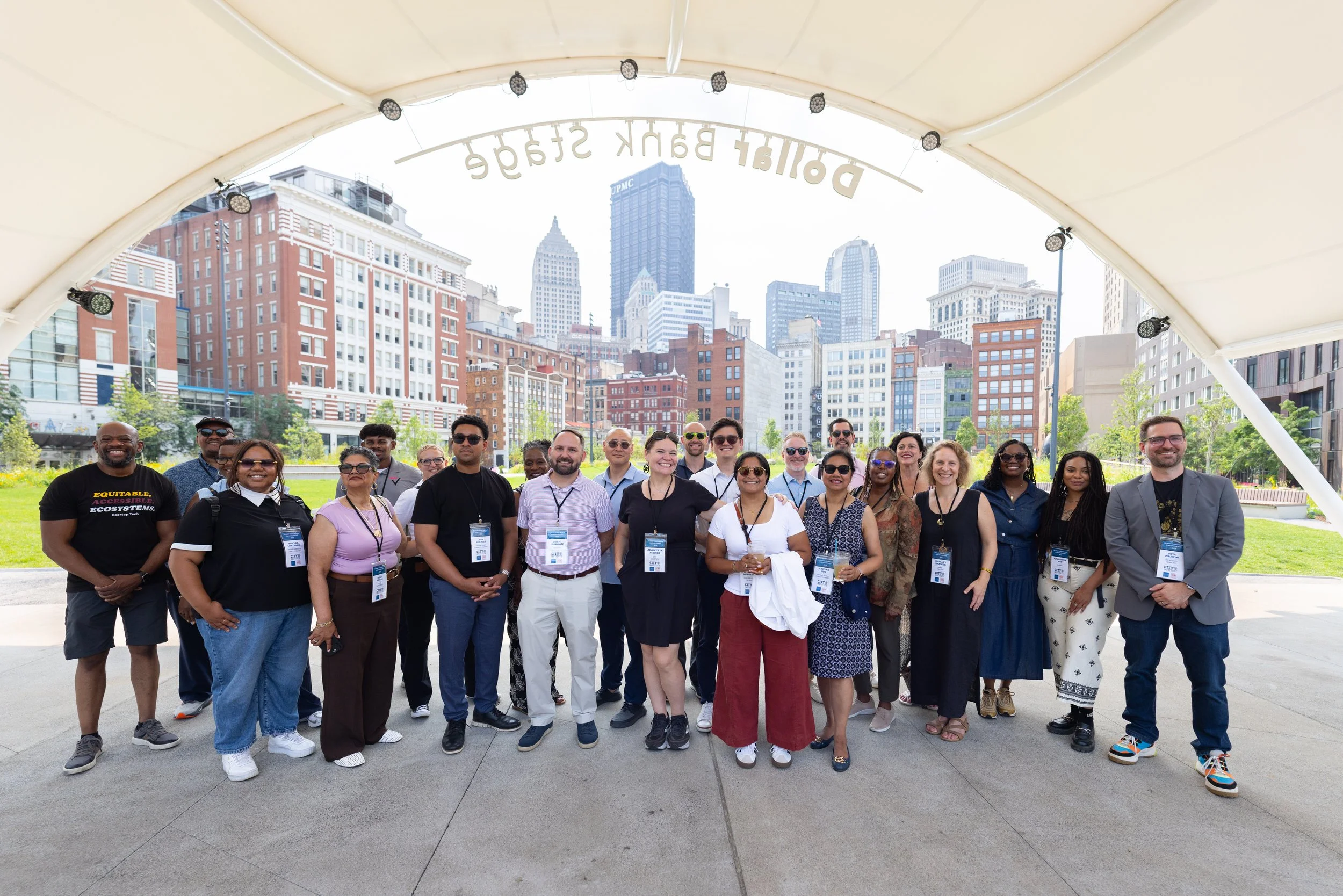
Photo courtesy of The Heinz Endowments.
Looking Ahead
One participant summed it up perfectly: the learning journey doesn't end when the trip does. It continues in the conversations, collaborations, and relationships that grow long after everyone returns home. That's what makes these exchanges so valuable.
We're incredibly grateful to The Heinz Endowments and Song United for investing in this exchange and to every Pittsburgh leader who generously shared their time, perspective, and experience with our group.
Most of all, we're grateful to the Detroit leaders who showed up with curiosity, asked thoughtful questions, and were willing to learn alongside one another.
Interested in joining a future City to City Learning Journey or bringing one to your community? We'd love to continue the conversation.